

Travel Scandinavia

Top Scandinavia Trips
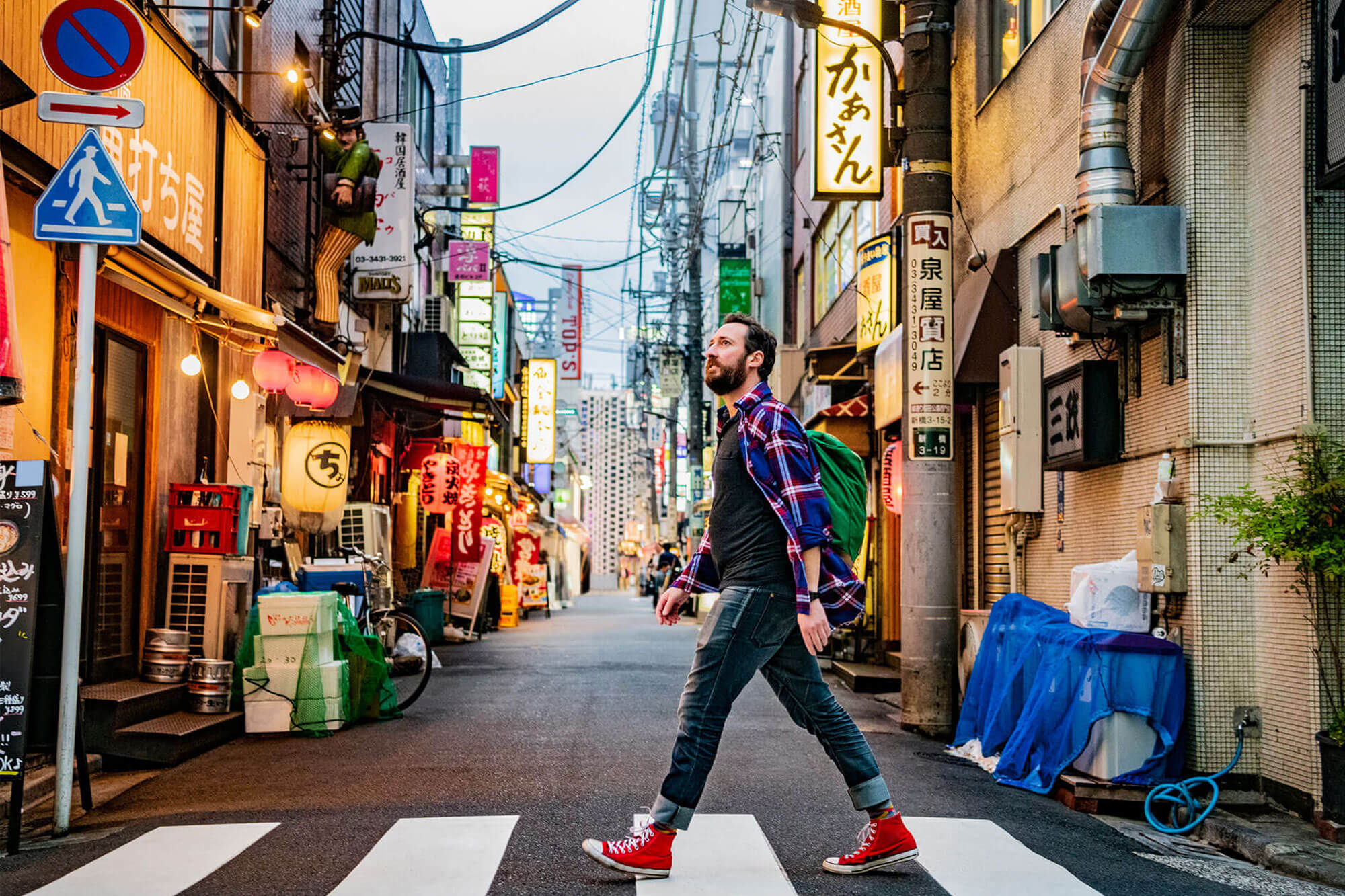
japan backpacker adventure
13 Days / 12 Nights
Departures: February – November 2023
Visit: Tokyo, Kamakura, Hakone, Kyoto, Hiroshima, Osaka
From $4,474 AUD

Go Group
japan backpacker adventure
13 Days / 12 Nights
Departures: February – November 2023
Visit: Tokyo, Kamakura, Hakone, Kyoto, Hiroshima, Osaka
From $4,474 AUD
Go Group
FAQ
1. Why is Scandinavia so expensive and how do I keep costs down?
It’s expensive because of high wages & strong social systems, but you can survive without sacrificing your first-born by:
- eating from supermarkets (Rema 1000, Coop, ICA, Føtex),
- using hostel kitchens,
- buying alcohol from duty-free,
- choosing overnight buses/trains instead of flights.
Street food and bakery lunches are lifesavers.
2. Can I see the Northern Lights anywhere in Scandinavia?
Not everywhere — only Northern Norway, Northern Sweden, and Finnish Lapland.
Copenhagen & Stockholm? Too far south.
Best months: Sept–March, with the darkest winter nights giving the strongest displays.
3. Is it easy to travel between the Scandinavian countries?
Very.
- Trains link Copenhagen ↔ Gothenburg ↔ Oslo
- Cheap flights connect all major cities
- Ferries run between Norway–Denmark, Sweden–Finland, and the Baltics
It’s one of the easiest multi-country trips in Europe.
4. Are saunas actually a big thing or just a stereotype?
Most hostels/hotels have them, locals go naked (not sexual), and sauna culture is about:
heat → cold plunge → repeat → feel reborn.
Don’t be weird about nudity; people genuinely don’t care.
5. What should I expect from nightlife in Scandinavia?
Fun but pricey.
Most locals pre-drink heavily at home and only go out late because a single cocktail can cost as much as a hostel night.
Cities with great nightlife:
- Copenhagen (techno, dive bars, breweries)
- Stockholm (stylish clubs, rooftops)
- Oslo (hip bars, live music)
6. How important is sustainability in Scandinavia?
Very.
Recycling, public transport, clean energy, and eco-friendly tourism are taken seriously.
Travellers are expected to:
- sort recycling correctly,
- avoid littering (instant social side-eye),
- respect nature trails and wildlife.
It’s a cultural norm, not a trend.